
The People Behind Your Shampoo
Meet the forest farmers who make Ara Essentials possible.
10/19/20252 min read
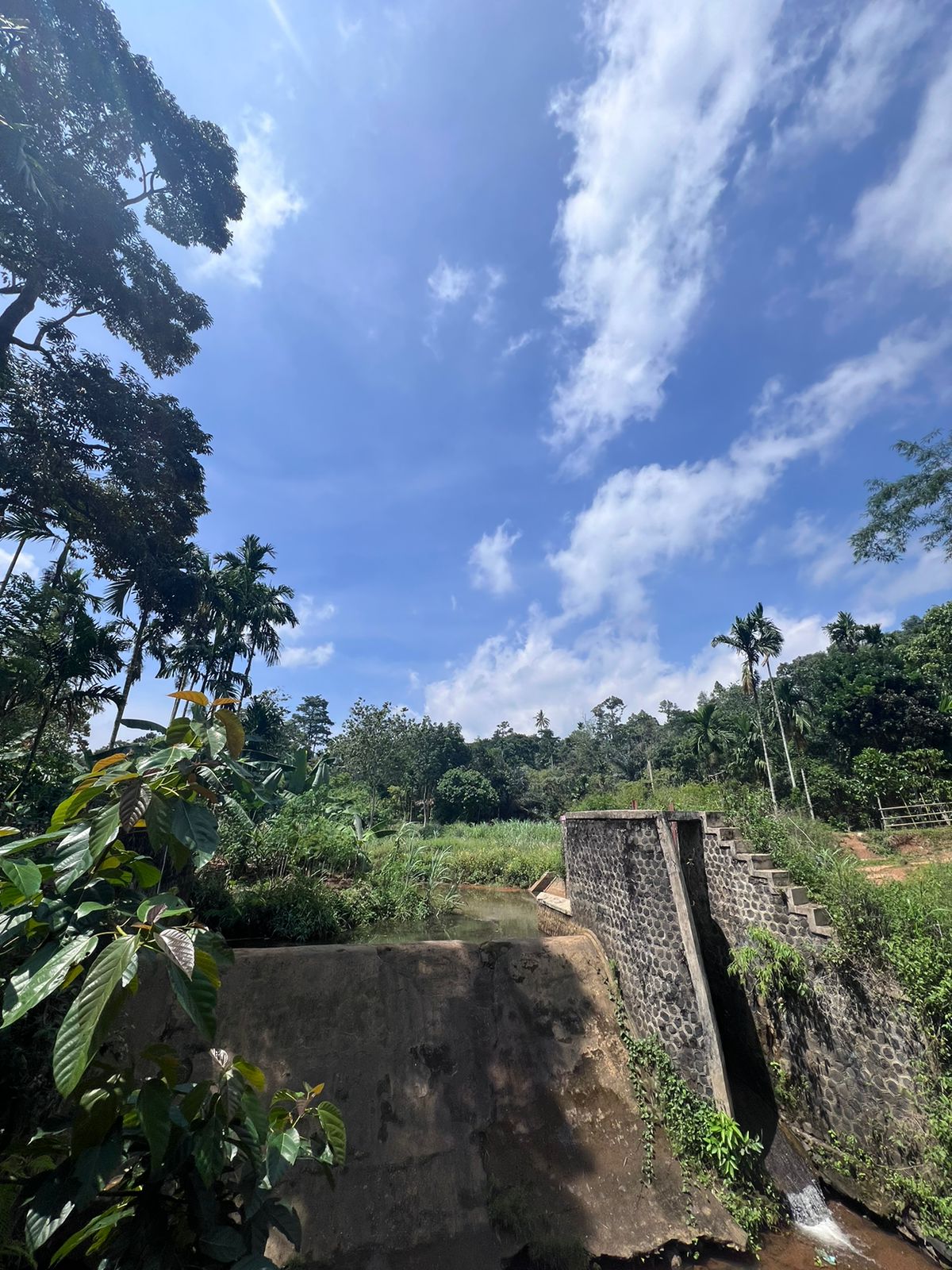
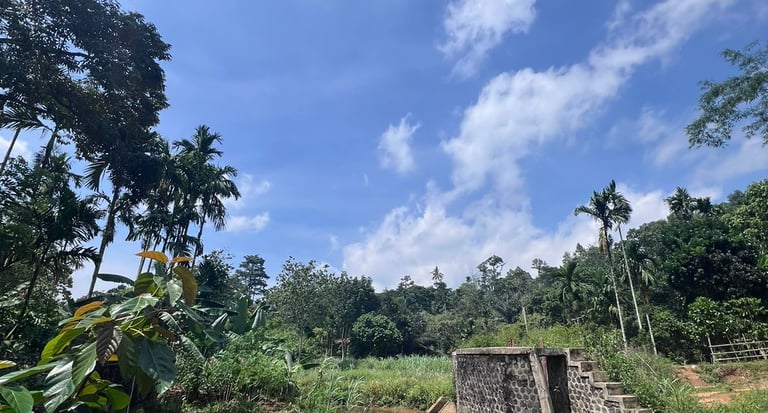
Social Forestry in Pesawaran
Before a batch code is printed on an Ara Essentials bottle, a morning begins in Pesawaran. A farmer checks trees that do not need felling. Fruit falls on woven mats. Leaves are trimmed by hand. The smallest tracks across the soil tell whether a plot is healthy or stressed. This is what it looks like when forest farmers lead a value chain.
Lampung’s social forestry is not a pilot on paper. It is a mosaic of communities. By March 2024 the province recorded 381 approvals, 206,086 hectares and 93,344 households under social forestry management. Scale matters. It turns isolated efforts into a regional fabric of livelihoods and gives private partners like us a reliable base for long‑term contracts and training.
The public backbone that makes enterprise possible
You will often see the acronym KPH in our materials. It stands for Kesatuan Pengelolaan Hutan, or Forest Management Unit. In Pesawaran, KPH staff work alongside the Provincial Forestry Service to guide business units, supervise field practice and help producer groups move up enterprise classifications. The province also launched Integrated Area Development for social forestry to coordinate coaching, markets and investment. This kind of coordination reduces the distance between a farmer’s field reality and a retailer’s expectations.
In practical terms a cooperative hub aggregates volumes, screens basic quality, and pays on time using transparent scales and moisture checks. Fair pay does not only feel right. It protects quality at the source. There is no incentive to pick too young or to adulterate oils. Materials reach distillation faster, volatile aromatics are preserved, and the final product feels better on your skin because the chain that made it is healthier.
Indonesia’s FOLU Net Sink 2030 agenda commits the forest and land‑use sector to absorb more greenhouse gases than it emits by 2030. Community forestry contributes by aligning income with long‑term care and by reducing pressure to clear forests for short‑term gains. Your shampoo is not a carbon credit, but it can be part of a landscape where livelihoods and climate goals point in the same direction.
Why will this model grow. Because demand exists. The Indonesian beauty and personal care market has been projected at roughly USD 9.74 billion or about IDR 158 trillion in 2025. That is headroom for local brands that meet modern standards and can tell a traceable origin story. When smallholders connect to this demand through verified supply chains, the conversation moves from aid to enterprise.
What this means for your bottle
When we say “the people behind your shampoo,” think of names, not a category. Think of a cooperative meeting where someone proposes a new drying rack to cut smoke taint. Think of a KPH officer reviewing harvest records. Think of a plot steward who notices a cardamom patch needs shade cloth and acts before a heat wave. That human attention is part of your product. You feel it in a balanced scent and a clean rinse.
Simplicity that Matters, Impact that Lasts.
Contact
© 2025 ARA ESSENTIALS. ALL RIGHTS RESERVED


Shop
Bantuan
Syarat & Ketentuan
Kebijakan Privasi
Subscribe: